What is a design retainer and how does it benefit businesses?
A social post needs a graphic by Thursday. The sales team wants a fresh pitch deck. Someone's noticed the website banner is still advertising last season's offer. Sound familiar?
For most growing businesses, considered design can take a bit of a back seat as the important thing is to just get the message out there - you’ve got Canva, that’ll do… right? But at what cost? The cost is the time a marketeer takes creating a 6-slide social media carousel, or the time a salesperson labours over formatting their next pitch deck, tweaking font sizes and working out how to layout the most recent case study stats. And the cost is also to your brand - is everything consistent, so every customer at every touchpoint experiences the same messaging? If multiple people are creating things themselves, the answer is probably not.
Or maybe you do have an in-house designer, but they really need to focus on building the next iteration of your platform or new screen for your app, so everything else always seems to be at the bottom of the to-do list.
This is where a design retainer comes in.

What is a design retainer agreement?
A graphic design retainer is an agreement between a business and a design agency, to spend a set amount of time working on any kind of graphic design elements that might be needed, for a fixed monthly fee. Each month (or week!) might look different depending on the needs of the business - one month there might be a marketing campaign that needs a free download designing and social media carousels to support it, while the next may involve designing a report for the next board meeting, along with infographics to highlight key data.
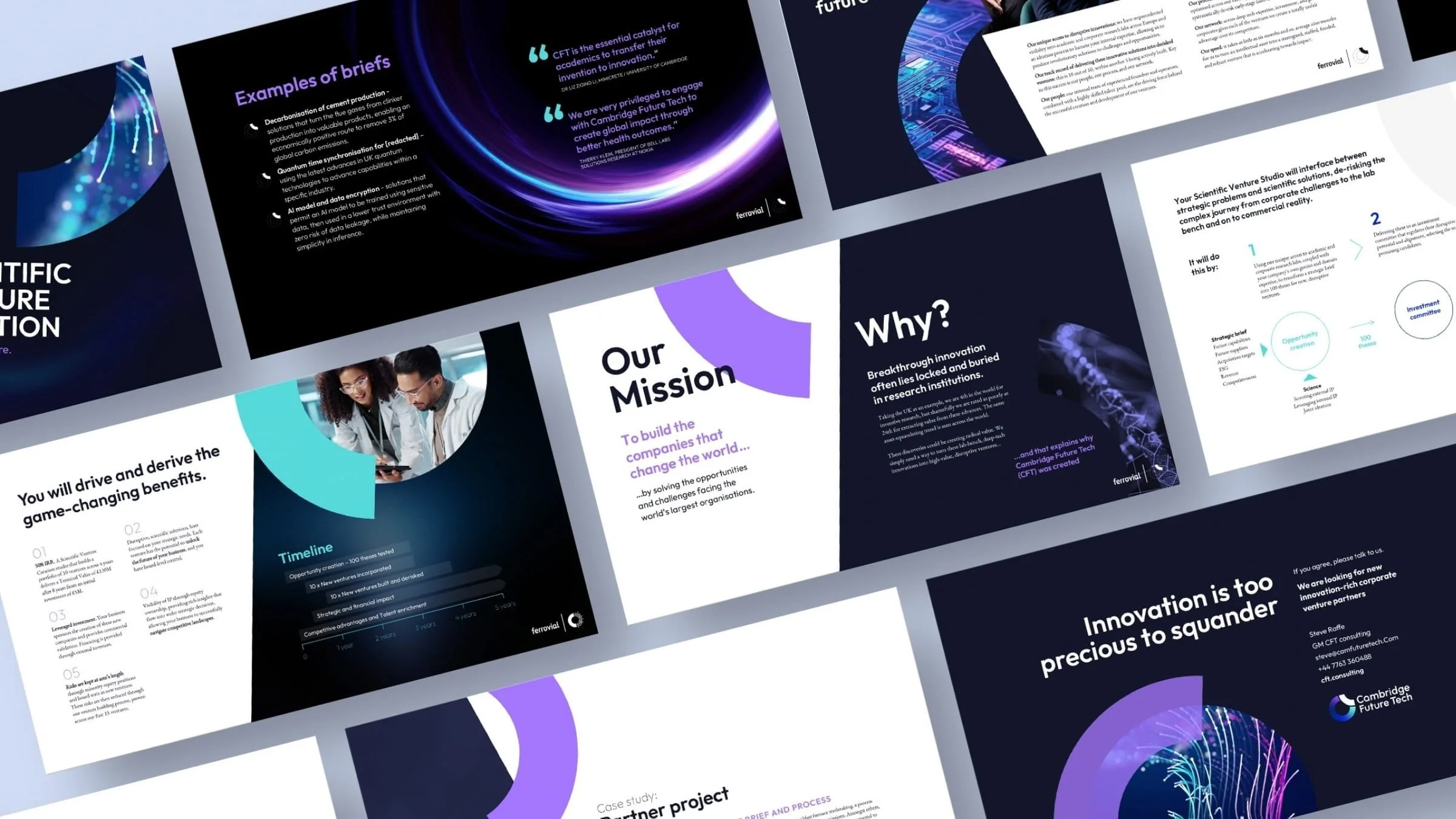
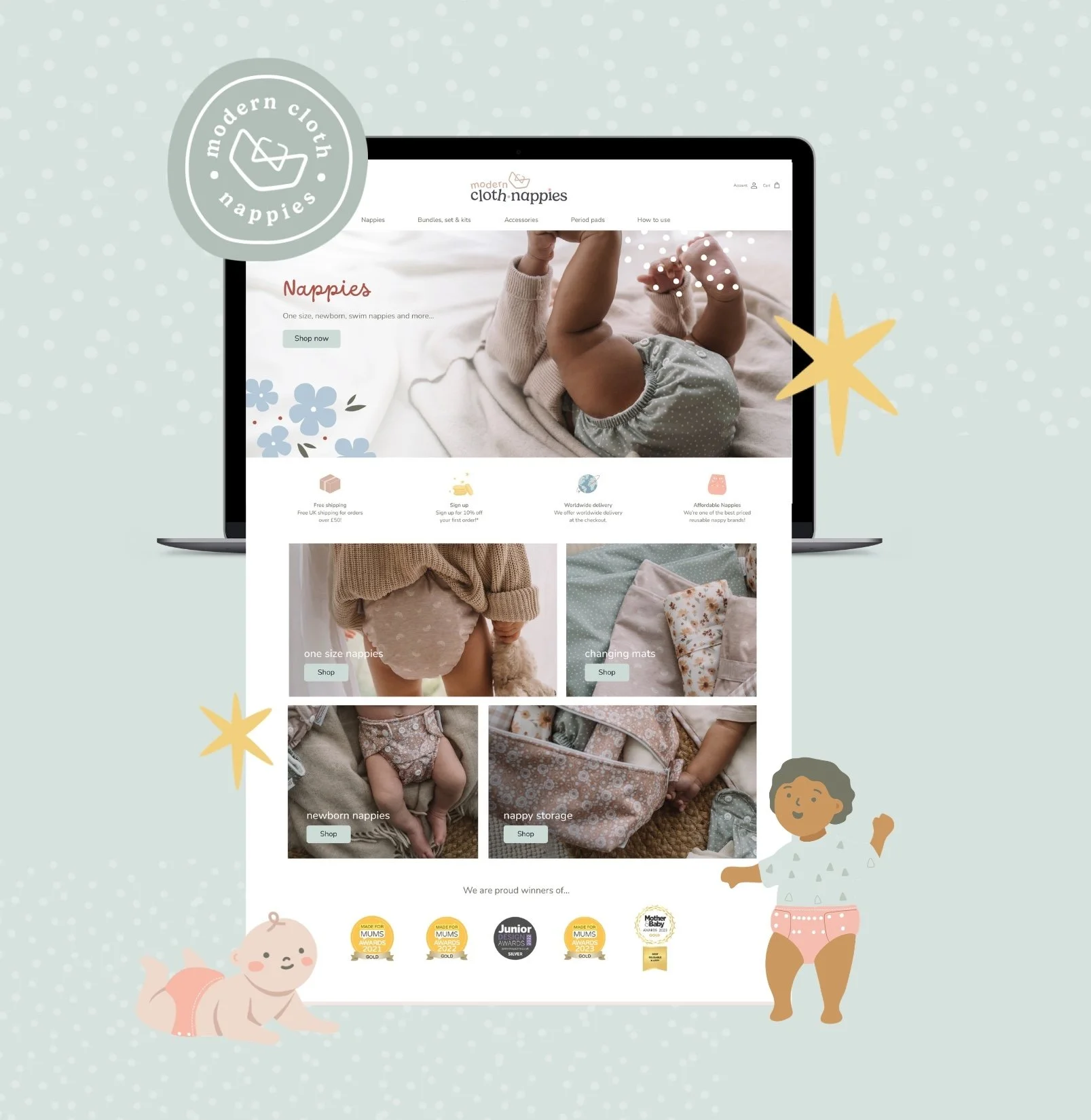
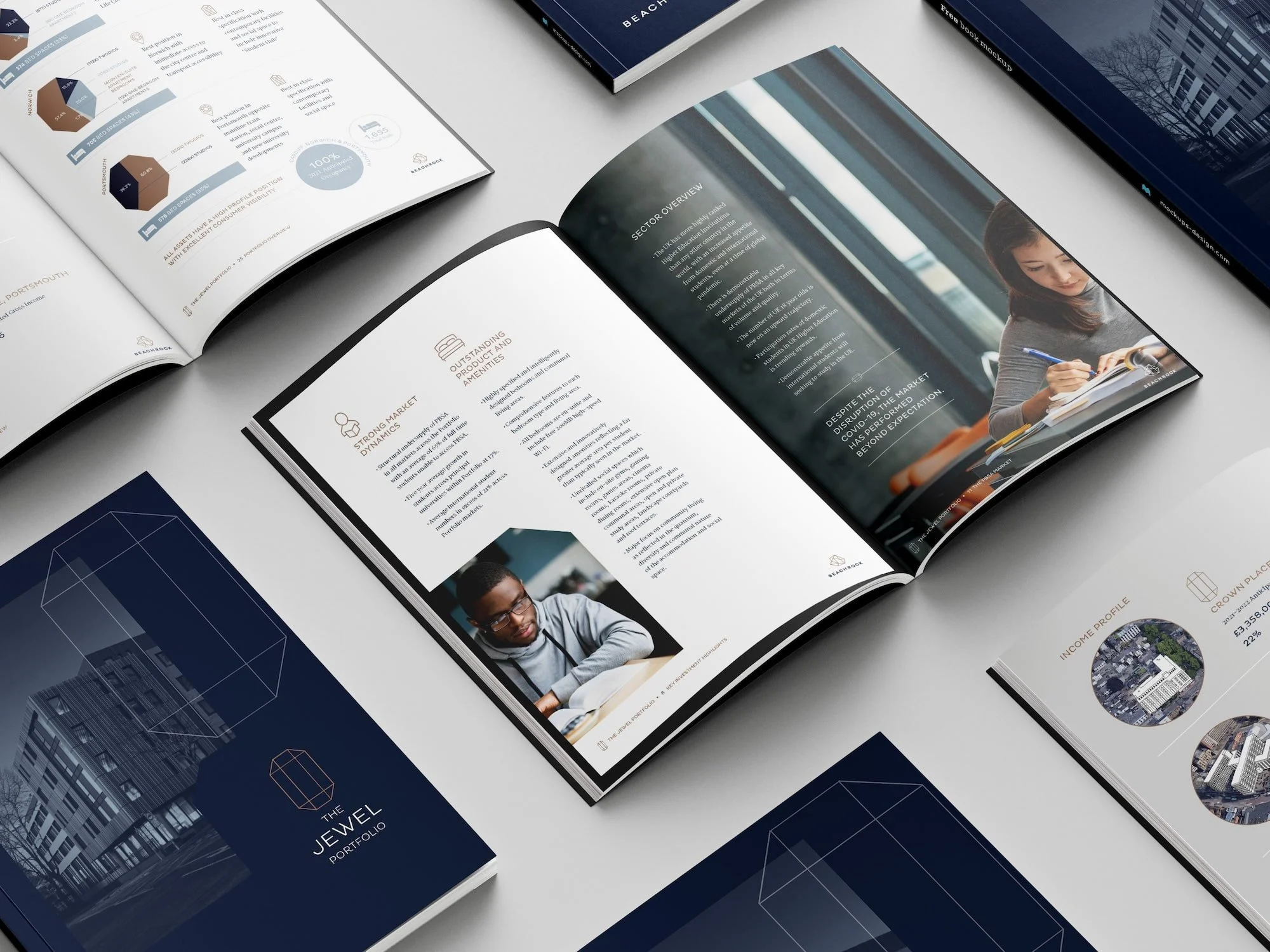
At Hubble, we act like an extension of your team - we work closely with all departments (often especially marketing departments) to produce consistent, professional and on-brand designs for print, digital and beyond. We become your brand ambassadors, and will happily come forward with creative ideas to help support any campaigns or launches.
How do design retainers differ from project-based work?
The main difference between a project and a retainer is that a project is a set piece of work, that has a clearly defined start and end, whereas a retainer is an ongoing relationship.
Project-based work is ideal for large, clearly defined pieces of work, such as a full rebrand or a new website build. These will be scoped out at the beginning, with a cost provided based on the estimated time and resources required to complete it. This is usually a set price, with any major adjustments incurring additional costs and an extension of the project timeline. At the end of the project, you part ways until the next project comes along.
A graphic design retainer works differently: the design team stays with you, and can work as flexibly as required. Priorities can change without any admin required, and as they already know your brand, your audience and how you like things done, it’s the most efficient way to work.
That continuity brings some real advantages over one-off projects:
No repeated onboarding. You don't have to re-brief, share brand guidelines again or wait for a new quote.
Quicker turnaround. Small jobs can be picked up and delivered fast, because the groundwork is already done. You are given priority over ad-hoc clients.
A bigger-picture view. Your designers see how each piece fits together, rather than working on isolated tasks.
Less admin. One agreement covers everything, instead of a stream of separate quotes and invoices.
That's not to say project work is going anywhere. Plenty of businesses use both, bringing an agency in for a major project and then moving onto a retainer to keep things ticking over afterwards.
What are the benefits of a design retainer for my business?
Your brand stays consistent
When the same team handles all your design work, everything looks and feels like it belongs together. Fonts, colours, tone and imagery stay on-brand, whether it's a LinkedIn post or a trade show banner. Over time, that consistency builds recognition and trust.
Things get done faster: Because your designers already know your business, there's no lengthy briefing process. You can send over a quick request and trust that it'll come back right, often without multiple rounds of changes.
Costs are predictable: A fixed monthly fee makes budgeting much simpler than dealing with ad hoc quotes. Many agencies also offer better rates on retainers than on one-off jobs, so your budget often goes further.
You get priority access: Retainer clients usually have guaranteed time set aside each month. So when something urgent lands, you're not waiting for a gap in someone's diary.
You gain a strategic partner, not just a supplier: This is where retainers really come into their own. When an agency gets to know your goals, they stop simply taking orders and start suggesting ideas. They might spot a gap in your marketing, or suggest a smarter way to present a new product.
A whole team for less than one hire: Recruiting an in-house designer means a salary, employer costs, equipment and software. Even then, you're getting one person's skill set. A retainer gives you access to a range of specialists, from brand and web to illustrators, animators and copywriters, usually for a fraction of the cost.
It flexes with you: Busy season coming up? A new product launch? Most retainers can be scaled up or down as your priorities shift, so you're not locked into more (or less) support than you need.
Created by humans, not AI: Humans designing for humans, without the obvious AI hallmarks that are noticeable a mile away. AI has its place, but with graphic design and generative AI, more people are craving genuine creativity over generic reproductions.
How to evaluate the ROI of a design retainer
Understandably, any investment a business makes needs a robust business case for it, including the return on investment that can be expected, to know if it’s worth the money. Some of the return is easy to measure, while some is less obvious but just as valuable.
Here’s what to look at:
Cost comparison. Add up what you'd spend on freelancers or one-off projects over a year, or what an in-house designer would cost with salary, NI, pension and overheads. Then compare it with your retainer fee.
Time saved. How many hours were you or your team spending on briefing, chasing quotes, managing multiple suppliers or making designs yourselves? That time now goes back into running your business.
Speed to market. Faster turnaround means campaigns launch on time and opportunities don't slip away.
Campaign performance. Keep an eye on engagement, click-throughs, enquiries and conversions from the work produced. Well-designed, consistent materials tend to perform better.
Brand strength. It's harder to put a number on, but a professional, consistent brand builds trust. That can influence everything from winning new clients to attracting good staff.
Is a design retainer right for you?
If any of this resonates with you and you’d like consistent, on-brand work, fast turnaround, predictable costs and a creative partner who genuinely understands your business, then yes!
Get in touch with a member of the Hubble team and we’d love to have a chat about what a retainer could look like for you, no hard sell.