We switched from AI to Hubble. Here’s why.
AI vs a design agency: when your business needs more than AI
AI has made it much easier for businesses to produce things quickly. Websites, illustrations, copy, presentations and other brand assets can all be generated with far less time and cost than before. But that doesn’t mean the end result is necessarily good enough for the business.
The challenge is that AI can create something that looks polished very quickly, and that can make it harder to see where the gaps are. A website might function but still make life difficult for customers. An illustration might look finished but feel generic, or not quite the same as the last time you generated one. A brand might appear consistent at first glance while still lacking the judgement and detail that make it feel genuinely distinctive.
At Hubble, we do use AI selectively where it helps us work more efficiently, but we’re quite deliberate about where we draw the line. We’re careful about what information is shared with AI tools, and we don’t use them in place of the parts of the process where experience, judgement and understanding the business properly are what make the difference.
The tipping point
What’s been interesting is that we’re increasingly seeing clients come to us after reaching exactly that point themselves. They’ve used AI to create something, but they’re not convinced it’s right, they’re struggling to make it feel less generic, or they’ve realised that getting something built is not the same as getting something that genuinely works for the business.
Zeepy: when the brand starts to look AI-generated
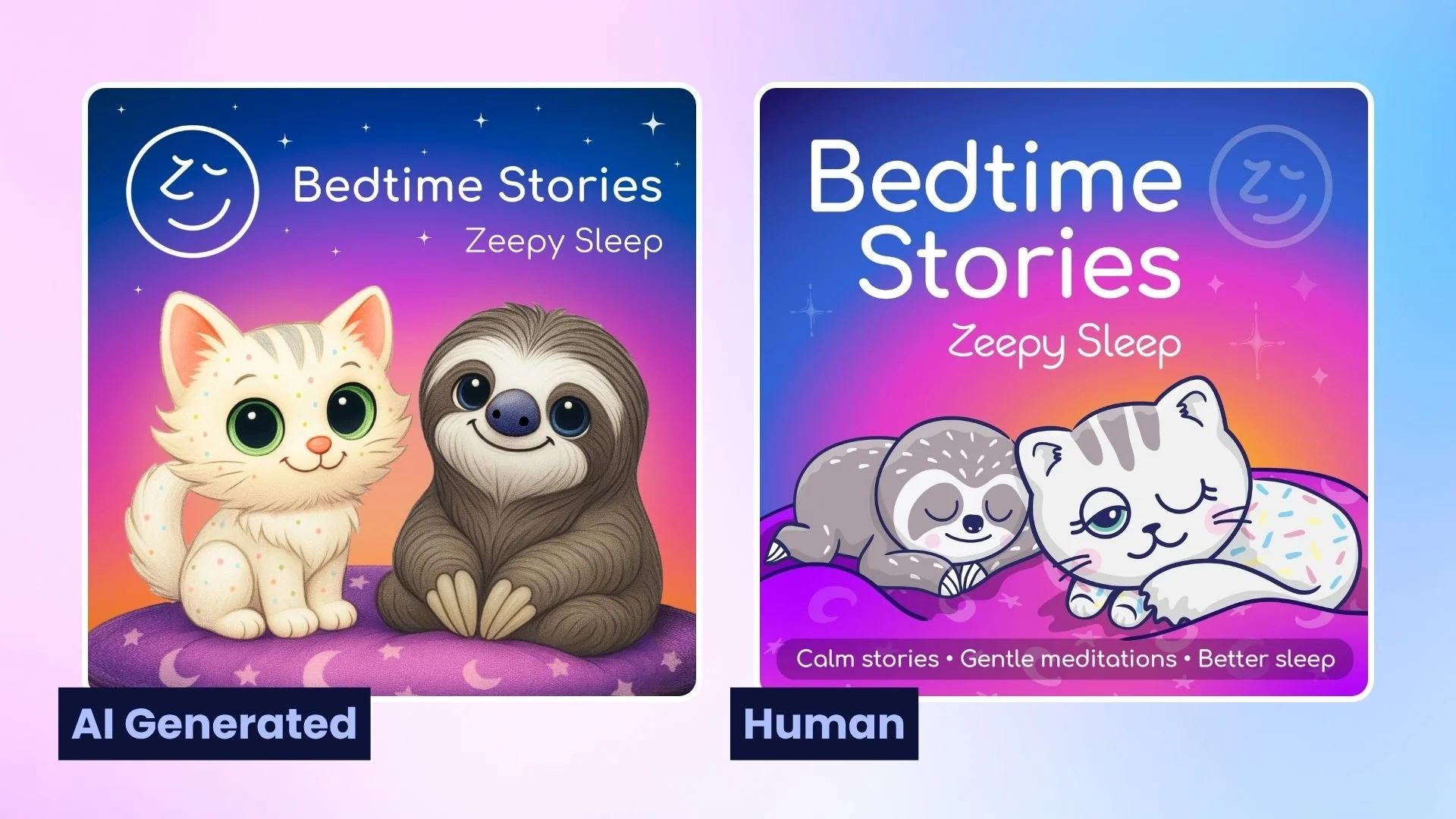
Zeepy is a good example because AI had already been used across parts of the brand before they came to us. They had a logo, colours and some visual guidelines, and AI had been used to help create the character illustrations and roll the brand out across different materials. The problem was that, as the business developed, the limitations became much more obvious.
The characters had what founder Dave Law described as a noticeable “AI-ness” to them, and the wider brand had started to feel disconnected. The clock face, illustrations, colours and supporting materials had all developed at different points, and they didn’t quite feel as though they belonged to the same system.
That was the point at which human input became important.
We developed Kip and Slumber into bespoke illustrated characters with their own personalities and a much more recognisable Zeepy style, then worked across the app, packaging, website, brochures, slide decks, product instructions and clock face designs so everything felt more consistent and more clearly part of the same brand.
“We came to Hubble after feeling that our brand was losing some of its cohesiveness. We had created much of the brand ourselves and felt we were ready for the next stage of growth.
Hubble immediately engaged with us, bringing new ideas to the table and challenging our thinking around everything from how the product could work to how the design could be brought to life. They’re a friendly team to work with, but by no means a ‘yes’ team. They push the thinking and strategy at every decision point, which has been incredibly valuable to our small team.
Once the initial brand work was complete, we decided to move to a retainer model. Hubble has become an extension of our team – we can brief them quickly and get designs back promptly. They’ve supported us across social, pitch decks, packaging, illustration, web design and more.”
- Dave Law, Co-Founder, Zeepy
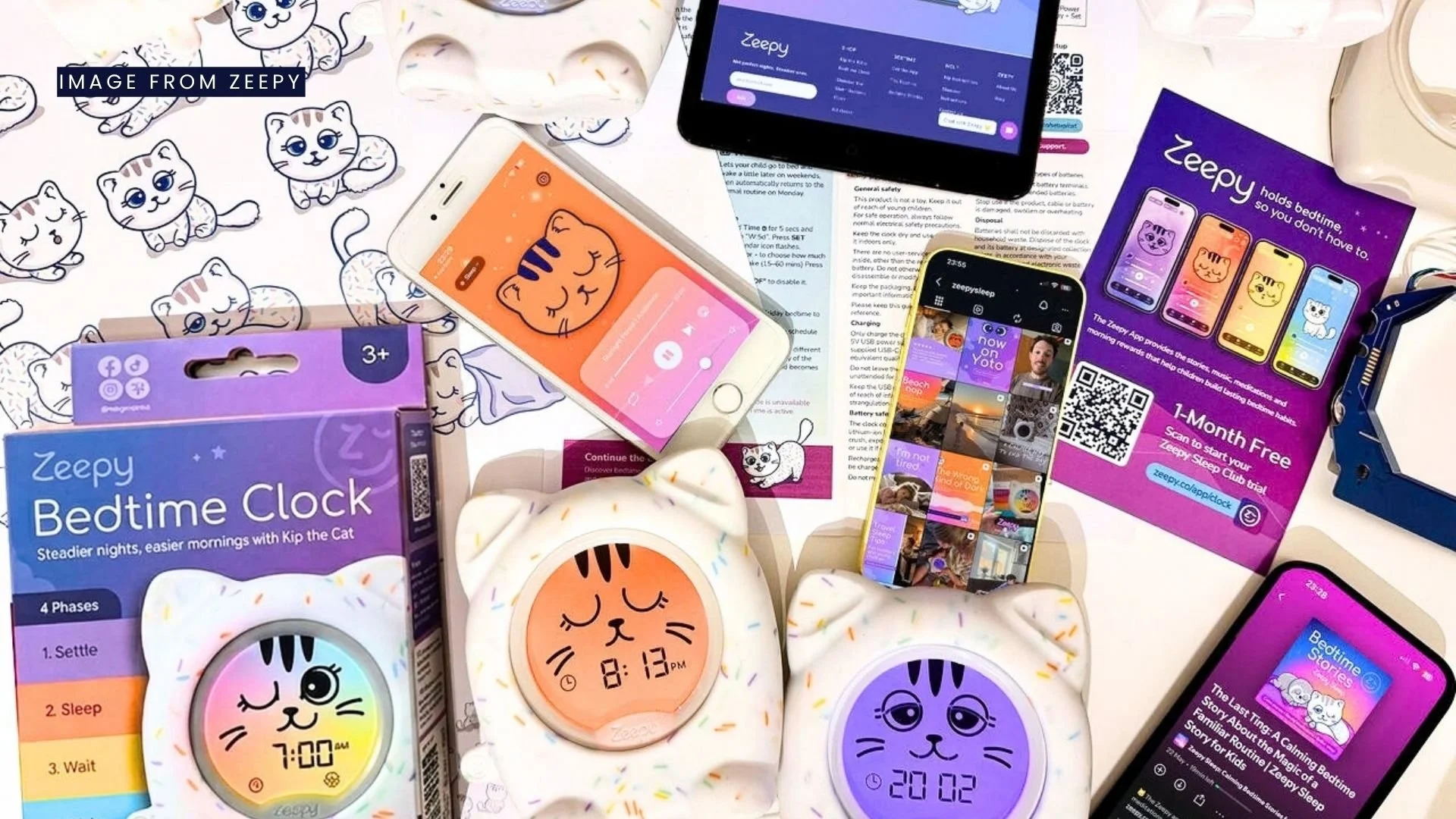
The difference wasn’t simply that the illustrations looked better.
It was that someone had stepped back, looked at the brand as a whole and made decisions about what should stay, what needed to change and how all the individual parts should work together. That is much harder to get from a tool that is responding to one prompt at a time.
Paylio: when a website works, but not quite in the way you need it to
Paylio came to us with a website they had built using Claude. It had got them a long way quickly and, on the surface, the site worked. But as they started trying to refine it and add in more of what the business actually needed, things became more difficult.
One of the biggest frustrations was making amends. The client was trying to prompt Claude to add or change specific things, but getting it to do exactly what they wanted was becoming increasingly difficult. What should have been a fairly straightforward change could turn into several rounds of prompting, with one amendment sometimes affecting something else unexpectedly.
There were also practical issues behind the scenes. The site had forms, but the information being submitted wasn’t connected to anywhere particularly useful for the business. Contacts weren’t feeding into a system where they could be properly stored, segmented or followed up, which meant an important part of the customer journey simply stopped once someone pressed submit.
That became particularly important because Paylio needs to speak to two very different audiences: homeowners and tradespeople. Each group arrives at the site with different questions, priorities and reasons for using the platform, so the website needed to do more than simply present information. It needed to guide each audience through the right journey and make it clear what they should do next.
We rebuilt the site in Squarespace, reconsidering the structure around those two customer journeys and making the hierarchy of information much clearer. We also made sure the forms and contact points connected properly with Paylio’s email marketing databases, capturing the right information so leads could actually be stored, segmented and communicated with afterwards.
For Paylio, the issue wasn’t that Claude couldn’t create a website. It had.
The problem was that they had reached the point where adapting it, connecting it properly to the rest of the business and making it work around real customer behaviour was becoming harder than it should have been.
That’s quite a different thing from simply getting a site online.
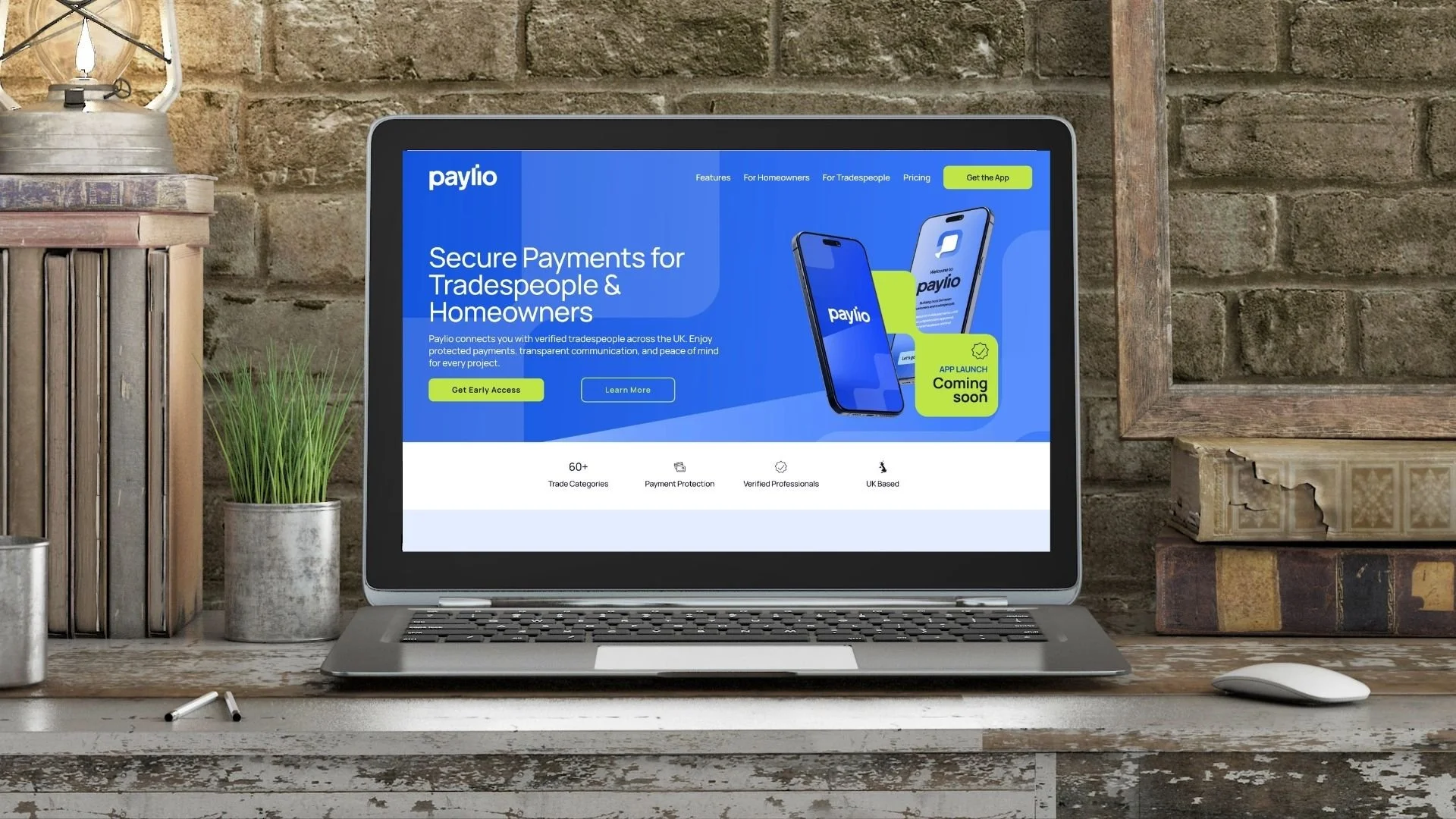
“I created the site very quickly with AI, but the way that it puts things together, the images it uses, the layouts, it’s quite easy to spot this. The difference with a human in the loop is it just looks and flows better and makes more sense.
AI is a good template, but you then have to spend quite a lot of time revising it all to get it to where you want. We also had someone sign up to the marketing list today organically, so that’s good!”
- Mike Bray, Paylio Founder
TrainTeams AI: when an AI company chooses the human approach
TrainTeams had originally planned to use AI to build their website. The idea was for us to design the homepage, then feed that design into AI and ask it to build out the rest of the site.
As the project developed, though, they decided they’d rather keep a human involved and moved to our Hubble Ready website option instead. That still gave them a more efficient route to launch, but with the site built and shaped by a person rather than relying on AI to interpret the design and make the decisions from there.
That choice is especially interesting because TrainTeams works in AI themselves. They understand the technology, they know what it can do, and they still decided that for their own website they wanted human judgement behind the build.
For TrainTeams, that distinction mattered.
They understand better than most what AI can do well, but they also know that a website isn’t just a collection of layouts. Someone still needs to think about the audience, what information matters most, how the brand should come through and whether the experience actually makes sense from one page to the next.
That is where the hybrid approach worked well for them. AI could support parts of the build, while the overall direction, design and decisions stayed with the team working on the project.
For us, that makes TrainTeams an interesting example because they weren’t choosing between being “pro-AI” or “anti-AI”. They were deciding which parts of the process benefited from it and which parts they still wanted human experience and judgement behind.
Given that helping businesses understand and use AI is what they do, it says a lot about where they felt human input still mattered.
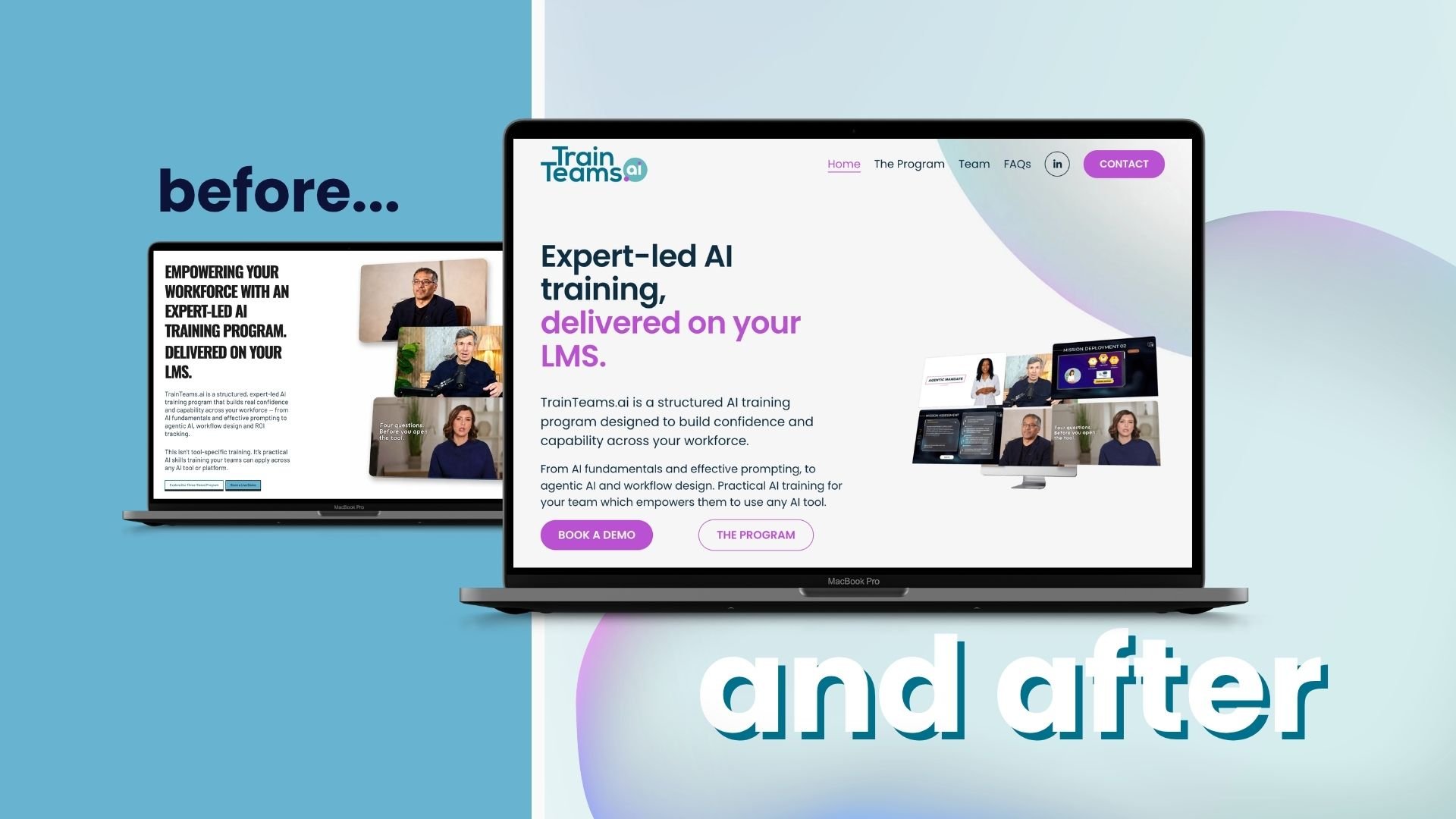
“The pace of development was amazing, so pleased we got to the end product so quickly [with] tracking tags in too. Domain transfer and sign up was really easy”
- Darrell Gunaratnam, TrainTeams.ai Founder
AI can get you started. Human expertise takes you further.
AI is a powerful tool, but getting something built quickly isn't the same as getting it right. Whether it's a brand that needs greater consistency, a website that needs to work harder for your business, or a design that needs to stand out, sometimes you need more than another prompt.
At Hubble, we combine the efficiency of AI with the creativity, experience and strategic thinking that help businesses move forward. We don't just make things look better; we make sure they work harder for your brand, your customers and your business goals.
Get in touch today and let’s chat about how we can work together. We’d love to hear from you.