How to rebrand for Gen Z and which brands are already nailing it?
There comes a point in every brand's life where the question stops being "Do we need a refresh?" and becomes "Will the next generation choose us?"

Gen Z (those born between 1997 and 2012), now represents one of the UK's most influential consumer groups. They are not only the largest generation, making up 32% of the global population, but their current purchasing power is approximately £400 billion, which will only grow. In fact, by 2031, Gen Z will surpass the spending power of Millennials!
The latest YouGov UK Gen Z Rankings (2026) reveal something fascinating: the brands gaining the most momentum aren't necessarily the newest, they're the ones evolving with confidence. Heritage names like Guinness and Mr Kipling sit alongside cultural icons like Duolingo and Pimm’s as some of the fastest rising brands, proving that age has nothing to do with their popularity.
But why is this?
Don’t be fooled - Gen Z isn't asking for a younger logo
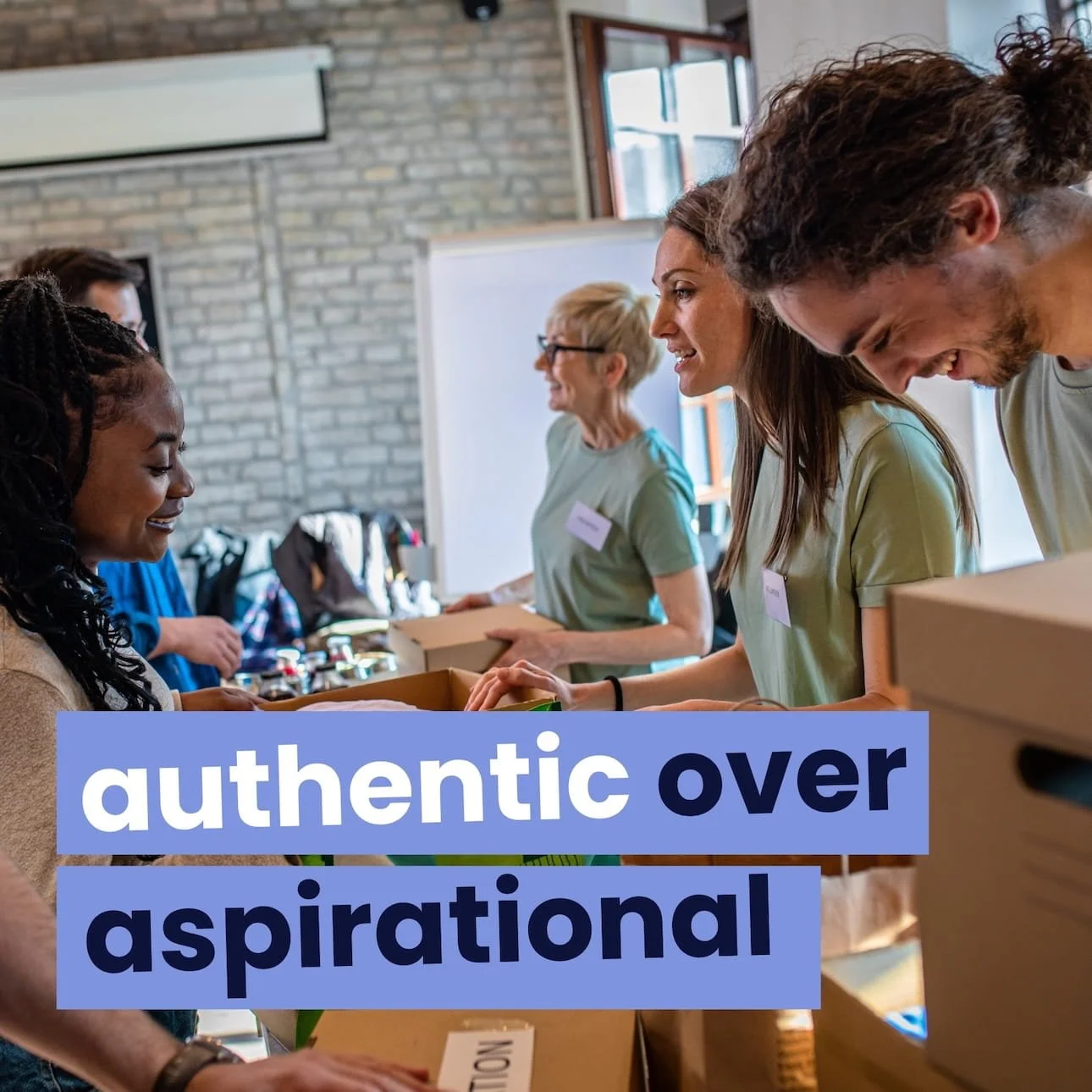
One of the biggest misconceptions in branding is that appealing to Gen Z means changing your aesthetic first. In reality, the visual identity is often the last thing to evolve. What changes first is the strategy because Gen Z research brands before buying, value authenticity over aspiration, and can spot a performative rebrand from a mile away. So, you need to consider that Gen Z tends to reward brands that are:
Authentic over aspirational
Community-led rather than corporate
Transparent instead of polished
Entertaining without feeling manufactured
Value-driven in both ethics and affordability
A rebrand that only updates colours and typography misses the point entirely.
The 5 principles of a Gen Z rebrand
1. Build a brand personality, not a brand voice
"Professional. Trustworthy. Innovative." Fine words. Forgettable brand.
Gen Z doesn't connect with tone of voice guidelines, they connect with characters. Brands that have opinions, a sense of humour, and a way of showing up that you'd recognise even without the logo.
A simple test: if your brand disappeared tomorrow, would anyone miss its personality? If the honest answer is probably not, you have a tone of voice document. You don't have a brand!
2. Design for participation
The strongest brands today don’t simply communicate; they invite audiences into the conversation. That means creating visual systems that are flexible enough for user-generated content, creators, collaborations and social-first storytelling. Your identity should feel less like a museum piece and more like a living system.
Think adaptable typography. Motion. Templates. Stickers. Cropped imagery. Unexpected layouts.
A static brand struggles in a dynamic culture.
3. Lean into imperfection
For years, luxury branding obsessed over minimalism and flawless execution, this used to be the goal - Gen Z finds it slightly suspicious.
They’re drawn to brands that feel intentionally imperfect and made - handwritten notes, behind-the-scenes content, playful illustrations and design that feels created rather than manufactured. It’s not about looking messy; it’s about feeling real.
4. Don’t just state your values, make them visible
This generation researches brands before buying from them. Sustainability, inclusion, ethical production and transparency aren’t campaign ideas, they’re part of brand equity.
The trap most brands fall into: putting the values on the website and calling it done. "We care about the planet" is a starting point, not a proof point. Show the process. Name the suppliers. Publish the numbers. The brands that earn trust with this audience show their working, they don't just claim the result.
5. Be unmistakably you
Ironically, the more a brand chases what's current, the more it looks like every other brand chasing what's current. The goal of a rebrand isn't an exercise in relevance. It's an exercise in distinctiveness. Building something specific enough that trends stop mattering. That's not a design philosophy. It's the only branding strategy that actually holds up over time.
Three brands already nailing it

1. Duolingo - the brand with more personality than most people
Duolingo never relied on a visual rebrand to win Gen Z. Instead, it transformed its mascot into one of the internet's most recognisable personalities.
Its content feels spontaneous, self-aware and culturally fluent, the exact qualities younger audiences reward. The branding remained consistent; the behaviour evolved. That's an important distinction for any business considering a rebrand. The green owl became a chaotic, self-aware internet character that audiences actively wanted to engage with. Instead of interrupting culture, Duolingo participated in it—creating one of the most recognisable brand personalities on social media.
The lesson: Your logo introduces your brand. Your personality makes people remember it.
2. Guinness - the 265-year-old brand that became the most popular pint in Britain
Ten years ago, Guinness had an image problem. It was seen as your grandad's drink - heavy, old-fashioned, and about as far from cool as a pint could get. Sales reflected that perception. The brand needed to evolve without abandoning the heritage that made it iconic in the first place.
So, in 2016, Guinness underwent a rebrand that went deeper than a logo refresh. The harp (which had featured on the bottle since 1862) stayed, but was given more detail and dimension, bucking the flat-design trend that was flattening everything else at the time. More importantly, Guinness shifted its entire content strategy. Rather than broadcasting, the brand started inviting people in and leaning into user-generated content, creator partnerships and a new generation of so-called "Guinfluencers" who made pouring a Guinness something worth filming.
The brand also broadened who it spoke to. Historically male-skewing, Guinness quietly but deliberately widened its audience, in tone, in casting and in the occasions it showed up for.
The result?
Guinness is now the most popular pint in Britain - one in every nine pints pulled in the UK is a Guinness. Among Gen Z, the proportion who consider Guinness "cool" jumped from 22% in 2023 to 67% in 2025 - and "modern" went from 33% to 60% in the same period. Guinness breweries were operating at maximum capacity to keep up with demand and it actually sold out in places - which is incredible considering that alcohol consumption has actually fallen since 2023.
3. Dell - how AI hardware turned a legacy tech brand into a Gen Z consideration
Dell is not a brand that typically appears on Gen Z mood boards. For most of the past decade it sat comfortably in the background — reliable, corporate, invisible to anyone under 30 who wasn't buying a work laptop because their employer told them to.
That changed quietly but significantly in 2025.
This generation uses AI the way previous generations used Google — constantly, instinctively, for everything from writing to creative work to research. The shift to on-device AI matters to them for practical reasons: faster processing, better privacy, no reliance on internet speed or cloud subscriptions.
Market forecasts predict AI PCs will capture 64% of the PC market by 2028, and Gen Z, as early adopters and the generation most likely to be building, creating and freelancing on their machines, are the logical early buyers.
Dell didn't change its brand personality. It changed its product story.
Guinness earned relevance by evolving its personality. Dell earned it by reading where technology was going and getting there first. Two different routes to the same outcome: a generation that wasn't thinking about you starts to. Throughout 2025, Dell's AI strategy continued to expand - new AI-optimised servers, enterprise AI pipelines and a PC business increasingly shaped around on-device inference. The Gen Z consideration bump may be just the beginning of a longer repositioning story.
So what does that mean for you?

It means the question isn't "how do we appeal to Gen Z?" That framing is already wrong. It puts the audience in charge of your identity, which is how brands end up in a race to be the most relatable version of themselves and lose everything distinctive in the process.
The better question is: what does your brand actually stand for, and is that visible?
Guinness had the answer, heritage, craft and unmistakable character, but it was buried under years of samey advertising. The rebrand didn't create a new identity. It excavated the one that was already there and gave it room to breathe. Dell had the product. What it needed was the positioning - a clear, confident story about what AI hardware means for the person sitting in front of it. And Duolingo just went full steam ahead with personality on the channels GenZ use.
In all three cases, the work started with honesty. What are we, really? What do we do better than anyone else? And is any of that landing?
This is where we come in…
We're a design agency, so we're going to say the obvious thing: you probably need a rebrand. But we're going to say it with a caveat. You don't need to look different for the sake of it. You need to be clearer, more distinctive, more honestly yourself - visually, verbally, and in every channel where your audience might find you.
That might mean a full identity overhaul. It might mean refining what you already have so it actually works. It might mean building a flexible visual system that works across social, scales across UGC, and gives creators enough freedom to make it feel natural for their own audiences without losing what makes the brand recognisable. What it definitely means is doing the strategic work first, because a beautiful brand built on a vague foundation is just an expensive way to be forgettable.
For Gen Z audiences, that consistency matters. This is a generation that's grown up surrounded by brands online, across social, creator content and countless different platforms. Trying too hard to look relevant can be just as noticeable as not trying at all. A brand needs to know what it stands for, have something distinctive to say and still feel like the same brand wherever people come across it.
Final thoughts
Whilst writing this blog, I’ve found myself thinking about Duolingo - lots! I see it everywhere, my kids love it, my friends are using it… so I’m off to watch a crazy green owl.
My final thought has to be - Be the owl. Be memorable.